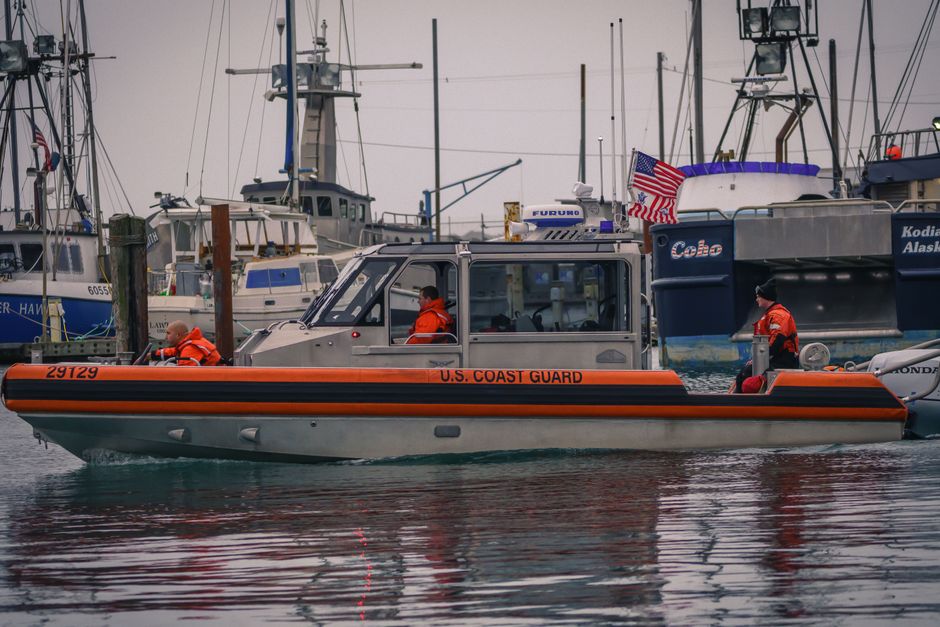
United States Secretary of State Marco Rubio has publicly acknowledged that a US Coast Guard vessel played a role in rescuing an injured Filipino sailor following a violent confrontation at Ayungin Shoal, a hotly disputed territory in the West Philippine Sea.
The incident underscores the delicate geopolitical tensions in one of the world's most contested maritime regions and raises questions about the extent of American involvement in regional security matters. Rubio's statement marks a rare public disclosure of direct US operational assistance in response to what Filipino authorities have characterized as an assault by Chinese personnel.
Details of the Ayungin Incident
The confrontation occurred when Filipino personnel aboard a supply vessel were transporting provisions and conducting maintenance operations at the Second Thomas Shoal, known locally as Ayungin. This feature has long been occupied by a small Philippine military detachment and remains one of the most sensitive flashpoints in the South China Sea dispute.
During the operation, the injured sailor required urgent medical attention following what Philippine officials described as an attack. The severity of the injury and the exact circumstances surrounding the incident prompted a swift response, ultimately involving the US Coast Guard vessel. Rubio's public acknowledgment of this rescue operation represents an unusually candid confirmation of American participation in a sensitive regional incident.
The timing of Rubio's remarks is significant, coming as tensions between the Philippines and China over territorial claims have escalated throughout recent years. The US has consistently maintained that it has treaty obligations to the Philippines and remains committed to supporting freedom of navigation in the contested waters.
US Foreign Policy and Regional Stability
Rubio's statement reflects the Biden administration's broader policy of strengthening partnerships with regional allies and demonstrating credible security commitments. The direct involvement of a US Coast Guard vessel in a rescue operation sends a powerful signal about American willingness to provide tangible support when Filipino citizens face danger in disputed territories.
This approach contrasts with the more cautious diplomatic messaging that characterized earlier periods of US-Philippine relations. By publicly confirming the rescue operation, Rubio has essentially validated the escalating presence of American assets in the region and signaled that such interventions are not merely diplomatic posturing but involve real operational commitments.
The Philippines has long sought stronger security assurances from Washington, particularly as Chinese presence and assertiveness in the South China Sea have grown. The 1951 Mutual Defense Treaty between the two nations forms the legal foundation for such cooperation, though its application to disputed maritime features has remained a point of negotiation and occasional ambiguity.
Questions About the Broader Context
While Rubio's confirmation of the rescue is clear, significant details about the incident remain opaque. The exact nature of the injuries sustained by the Filipino sailor, the precise circumstances that led to the confrontation, and the formal response from Chinese authorities all require fuller clarification. Neither Chinese officials nor comprehensive independent assessments have provided detailed accounts that match Filipino and American characterizations of what transpired.
The incident represents one of several confrontations that have marked recent months at Ayungin Shoal. These recurring clashes reflect a pattern of friction between Chinese and Philippine personnel operating in close proximity at the disputed location. Each incident carries the potential to escalate regional tensions and draw in external parties, as evidenced by the US Coast Guard's involvement in this case.
Filipino maritime operators and military personnel working in these waters face genuine physical danger. The incident prompts serious questions about occupational safety, rules of engagement, and the protocols governing interactions between different national personnel in disputed territories where no single authority maintains uncontested control.
Implications for Future Operations
Rubio's public statement may embolden Filipino operations in the disputed area, knowing that American assets are positioned to provide emergency assistance. However, it may also trigger stronger Chinese objections to what Beijing views as foreign interference in its internal waters. The diplomatic balance becomes increasingly precarious when external powers openly participate in operations within territories that multiple nations claim.
The rescue operation itself demonstrates effective coordination between Philippine and American personnel during a crisis situation. Such real-world cooperation builds the operational familiarity and trust necessary for sustained security partnerships. Nevertheless, it also raises the stakes for future incidents, as the presence of US assets could potentially escalate rather than defuse confrontations.
The injured Filipino sailor's condition and recovery remain important humanitarian concerns that extend beyond the geopolitical dimensions of the incident. His experience of injury while performing duties at Ayungin exemplifies the human cost of unresolved territorial disputes and the genuine risks faced by those who work in these contested spaces. The US Coast Guard's intervention ensured that he received medical care when it mattered most, potentially saving his life or preventing permanent disability.