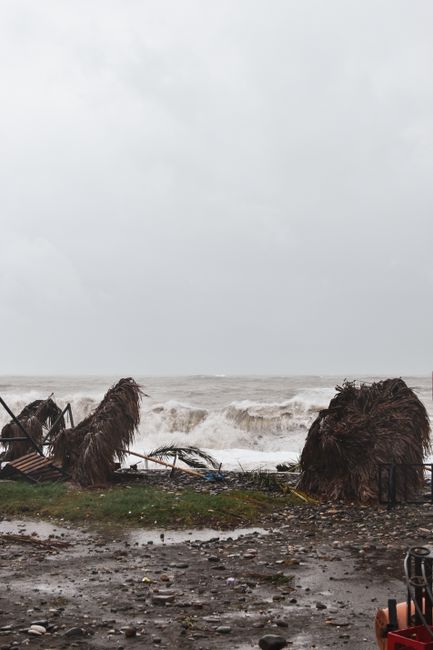
The provincial government of Pangasinan took the extraordinary step yesterday of declaring Lingayen, the capital municipality, under a state of calamity following relentless flooding and infrastructure damage brought by a combination of three tropical cyclones and the enhanced southwest monsoon. The declaration marks one of the most severe weather emergencies the region has faced in recent years, with authorities bracing for potential additional impacts as weather patterns remain unpredictable.
Tropical cyclones Luis, Maymay, and Neneng converged over the region within a compressed timeframe, each contributing to the catastrophic weather conditions that overwhelmed the municipal infrastructure. The enhancement of the southwest monsoon, locally known as the Habagat, amplified rainfall intensity to levels that drainage systems and flood control measures were never designed to handle. The resulting deluge transformed streets into rivers and submerged homes, farms, and commercial establishments across the municipality.
Extent of Flooding and Property Damage
Reports from municipal disaster risk reduction and management offices indicate that residential areas in barangays closest to riverbanks experienced the most severe inundation. Floodwaters reached rooftop levels in certain low-lying communities, forcing residents to seek refuge on higher ground or in evacuation centers hastily established by the local government. The Lingayen Gulf, which borders the municipality, rose to dangerous levels, further complicating drainage patterns and preventing floodwaters from naturally receding into the sea.
Agricultural lands, particularly rice paddies that represent a significant portion of the region's economic livelihood, were submerged under meters of water. Initial assessments suggest substantial losses to crops nearing harvest season, with farmers estimating they may lose entire seasonal yields. Livestock herds were moved to higher elevations, though not all animals could be evacuated in time, resulting in additional economic losses for affected families. Fish ponds and aquaculture operations suffered contamination and infrastructure damage that may require months to repair.
Beyond agricultural impacts, the flooding damaged roads, bridges, and pathways connecting rural barangays to the municipal center. A key provincial road that serves as the primary commercial artery became impassable, isolating several communities and hampering relief operations. Power lines were downed in multiple locations, leaving thousands without electricity at a critical moment when pumping stations and rescue operations depended on consistent electrical supply.
Evacuation Operations and Humanitarian Response
Local government units coordinated with barangay officials to conduct door-to-door evacuation drives, though the sudden intensity of the flooding outpaced some rescue capabilities. The Philippine National Police and Bureau of Fire Protection deployed personnel with improvised rescue boats and equipment, navigating treacherous currents to reach stranded residents. Several dramatic rescues were documented as families clung to rooftops awaiting assistance. Medical personnel treated cases of hypothermia, waterborne illnesses, and injuries sustained during evacuation efforts.
The declaration of a state of calamity enables the municipal government to access emergency funds, mobilize resources from the provincial government, and request assistance from national agencies. The declaration also allows for expedited procurement of relief goods and temporary suspension of certain regulatory requirements that might impede emergency response. Local officials began distributing food packs, drinking water, and medical supplies to evacuation centers and affected communities.
Infrastructure and Recovery Challenges Ahead
Engineers from the Public Works and Highways Department were mobilized to assess damage to critical infrastructure and develop repair schedules. Initial inspections revealed structural damage to several bridges and culverts, with some requiring complete reconstruction. Dikes and embankments built to contain river overflow showed signs of erosion and breaching in multiple locations. Water quality testing became urgent as contaminated floodwaters posed health risks to livestock and human populations dependent on groundwater and shallow wells.
Environmental experts warned that the accumulated sediment and debris from the flooding would require comprehensive cleanup operations lasting weeks or months. The combination of organic matter, chemical runoff, and soil displacement created hazardous conditions in affected areas. Mosquito breeding sites proliferated in standing water pockets, raising concerns about dengue fever and other vector-borne diseases during the recovery period.
Provincial officials indicated that reconstruction efforts would require coordination with national government agencies and possible support from international humanitarian organizations. The cost of repairs and rehabilitation was projected to exceed the municipal government's annual disaster response budget, necessitating supplementary funding requests to higher authorities. Community leaders emphasized that long-term solutions must include upgraded flood control infrastructure and watershed management programs to mitigate future disaster impacts, pointing to the growing intensity of weather events attributed to climate change. Mayor Ricardo Ortiz stated that the municipality would need at least eighteen months to fully restore normal operations and rebuild affected infrastructure.