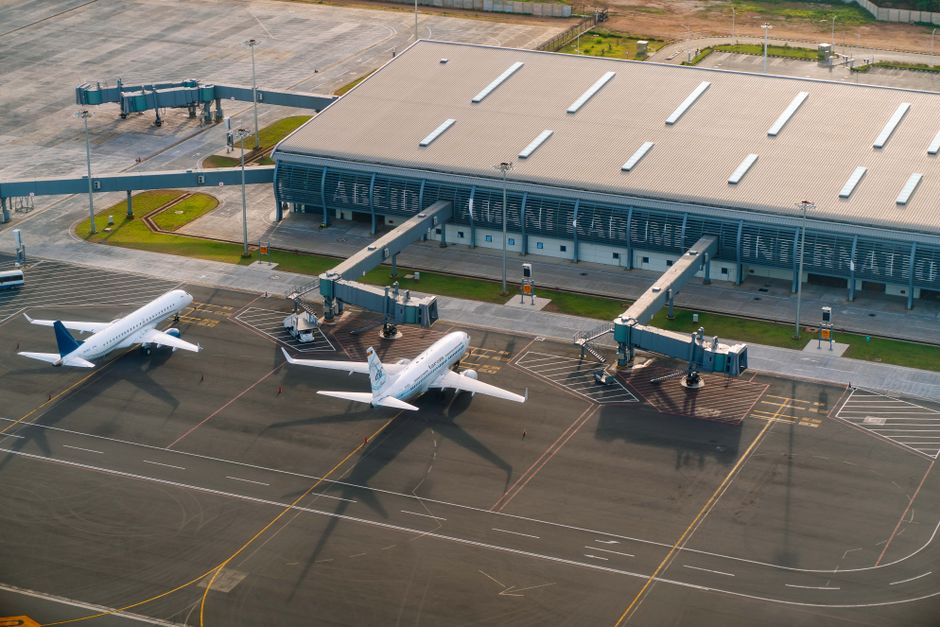
The Philippines is gearing up for a significant transformation in its regional aviation infrastructure. Next year promises to be a pivotal moment for several airports outside Metro Manila, as major upgrade projects are scheduled for completion to accommodate larger aircraft and unlock new opportunities for passenger growth across the country's provinces.
These infrastructure developments represent a strategic push to decentralize air travel and reduce congestion at Ninoy Aquino International Airport, while simultaneously opening gateways for increased tourism and business investments in underserved regions. Airport authorities and government officials have identified these upgrades as crucial to the nation's broader economic development strategy, particularly as regional tourism continues to show strong potential for growth.
Expanding Runways and Terminal Capacities
The planned improvements at regional airports focus on three critical areas: runway extensions, terminal facility upgrades, and airfield improvements designed to support larger aircraft operations. These enhancements will allow airlines to deploy bigger planes with greater passenger capacity, reducing per-seat costs and making regional flights more economically viable for carriers serving domestic and international routes.
Airport engineers have been working meticulously to ensure that runway surfaces, taxiways, and apron areas meet international standards for handling aircraft in the larger size categories. The upgrades will enable regional airports to receive wide-body aircraft currently restricted to major hubs, fundamentally changing the competitive landscape for aviation services outside the capital region.
Terminal facilities are also receiving substantial attention, with several airports slated to expand their passenger processing areas, baggage handling systems, and customer amenities. These improvements aim to provide travelers with world-class facilities comparable to those at premium international airports, enhancing the overall passenger experience and supporting longer aircraft turnaround times necessary for efficient operations.
Economic Ripple Effects Across Provinces
Industry analysts anticipate that these airport upgrades will generate significant economic benefits extending far beyond the aviation sector. Improved air connectivity typically stimulates hotel construction, restaurant development, retail expansion, and tourism-related services in surrounding areas. The multiplier effect of increased visitor arrivals creates employment opportunities across hospitality, transportation, and entertainment industries.
Regional development experts note that better airport infrastructure can also attract manufacturing and business process outsourcing companies seeking alternative locations to Metro Manila. Companies prioritize regions with reliable, efficient transportation links for both employee commuting and client connectivity. Enhanced air access therefore becomes a competitive advantage in attracting corporate investments to provincial economies.
Local government units in regions benefiting from these airport upgrades have been developing complementary infrastructure projects. Road improvements, hotel development initiatives, and tourism promotion campaigns are being coordinated to maximize the impact of the airport expansions when they come online.
Supporting Tourism Growth and Regional Competitiveness
The Philippines has long struggled with concentrated tourism, with most international visitors focusing on Luzon destinations. Regional airports with expanded capacity could fundamentally alter this pattern by making lesser-known provinces more accessible to foreign travelers. Direct flights from major Asian hubs to regional airports eliminate the need for passengers to transit through Manila, saving time and reducing travel costs.
Tourism boards in beneficiary regions have already begun coordinating marketing campaigns to highlight local attractions, cultural heritage sites, and natural wonders. The combination of improved air access and enhanced promotion could position provinces like those in Visayas and Mindanao as primary tourism destinations rather than secondary options for visiting travelers.
International airlines have indicated strong interest in serving regional routes once airport infrastructure improvements are completed. The availability of suitable facilities and adequate passenger traffic projections have historically been barriers to expanded airline operations in provincial areas. With these obstacles being addressed, carriers are evaluating new route possibilities that could commence shortly after runway and terminal projects reach completion.
Timeline and Implementation Challenges
Airport authorities have committed to delivering these upgrades within the 2027 deadline, though construction projects of this magnitude typically face unforeseen complications. Weather disruptions, supply chain delays, and the complexity of maintaining airport operations during renovation work all present potential obstacles to timely completion.
Project managers are implementing sophisticated scheduling systems and maintaining contingency plans to address possible delays. Additionally, regulatory approvals from the Civil Aviation Authority of the Philippines must be secured before upgraded facilities can become operational, adding another layer of complexity to the timeline.
The financial investment required for these airport upgrades demonstrates the government's commitment to regional development and aviation sector expansion. Funding has been secured through a combination of national budgetary allocations, public-private partnerships, and development financing arrangements with international institutions.
When these airport projects finally open their doors to larger aircraft in 2027, they will mark a turning point in how Filipinos and international visitors access opportunities across the archipelago. The transformation promises to reshape regional economics, expand tourism possibilities, and demonstrate that aviation infrastructure investment can drive meaningful development far beyond airport terminals themselves.